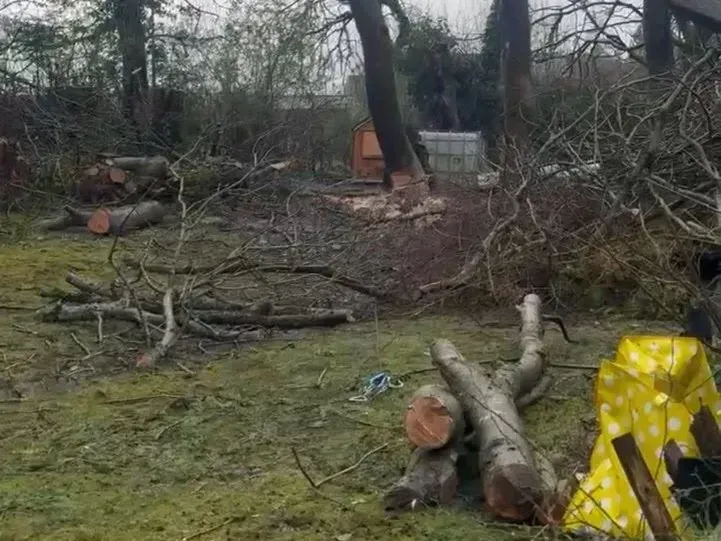
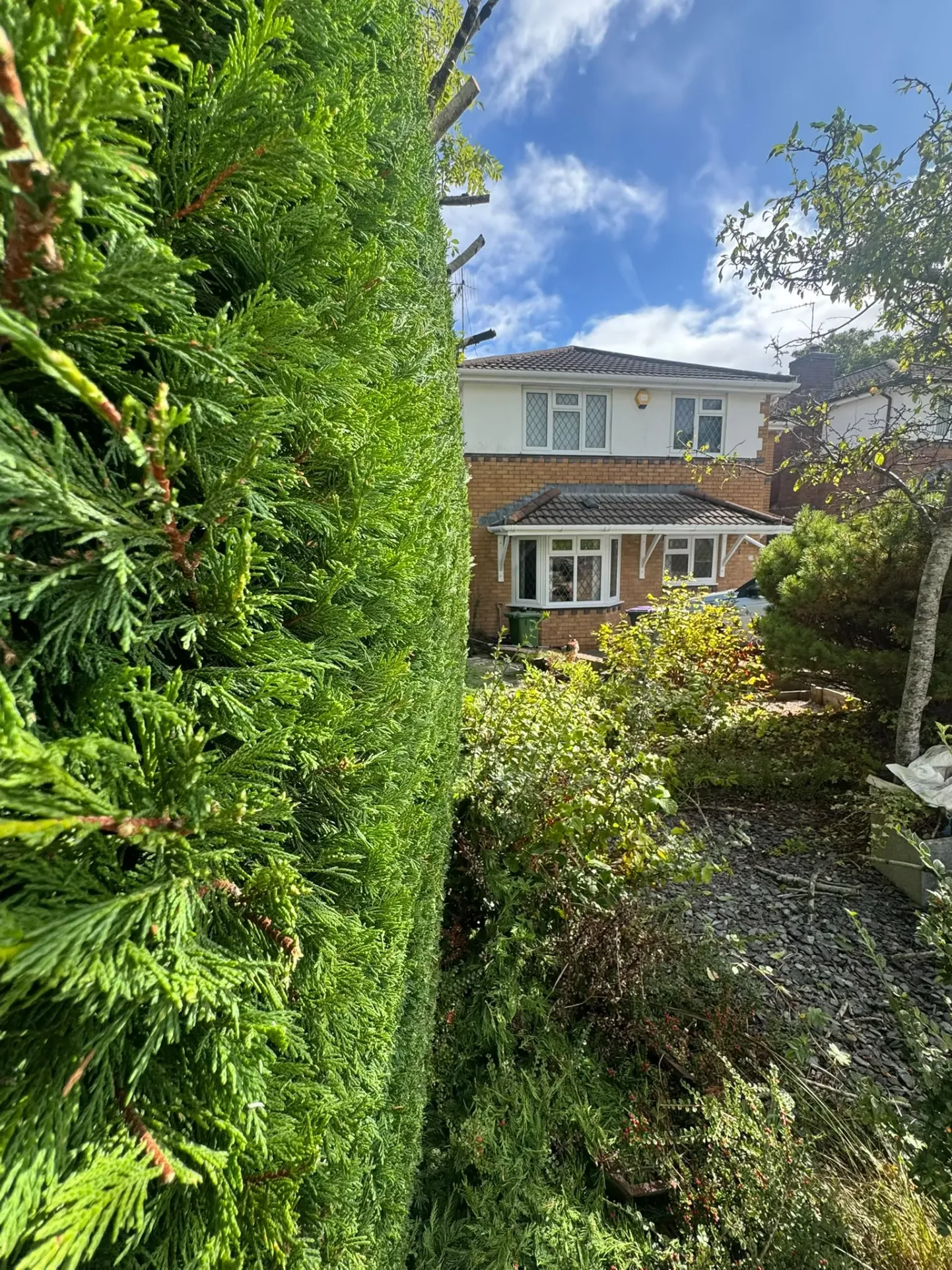
1. What Is a Waste Transfer Note (WTN) & Why Does It Protect You?
A Waste Transfer Note (WTN) is a legal document required under Section 34 of the Environmental Protection Act 1990 and the Waste (England and Wales) Regulations 2011 whenever non-hazardous waste changes hands between a producer or holder and a registered waste carrier.
Across the Torfaen valleys, Monmouthshire country lanes, and rural edges around Newport, fly-tipping is heavily policed by Natural Resources Wales (NRW) and local enforcement teams at Torfaen County Borough Council, Monmouthshire County Council, and Newport City Council. Under UK law, your responsibility for rubbish, old fence panels, patio rubble, or green waste does not end simply because you paid someone cash to load it into a van.
If an unlicensed rogue trader takes your waste and dumps it on a mountain road near Blaenavon or a lay-by outside Chepstow, council enforcement officers will sift through the load for addresses, receipts, or identifiable materials. If traced back to your property and you cannot prove you checked the carrier's licence or obtained a proper transfer record, you can be issued a Fixed Penalty Notice (typically £300 to £400) or face prosecution in a Magistrates' Court for failing your Household or Commercial Waste Duty of Care.
Homeowners vs. Landlords & Trade Clients: The Legal Distinction
Private Homeowners: Strictly speaking, domestic householders clearing their own domestic waste from their own home are exempt from personally writing or retaining a full commercial WTN for 2 years, provided they verify the contractor holds an active Upper Tier Waste Carrier Licence. However, reputable contractors like JDP Outdoor Solutions still issue a clear receipt/transfer record and log a statutory WTN at the commercial weighbridge because once your waste enters our vehicle, it becomes controlled commercial waste in our custody.
Landlords, Letting Agents & Property Managers: Waste cleared from a rental property between tenancies in Pontypool, Caldicot, or Newport is classed by law as commercial waste—even if it consists of old domestic sofas, beds, and garden trimmings. Landlords are legally required to obtain a fully completed Waste Transfer Note (complete with SIC and EWC codes) and retain a copy for at least 2 years.
2. Field-by-Field Breakdown: Every Section of a Statutory WTN
When you look at a standard Waste Transfer Note—whether it is a carbon-copy pad completed on your driveway or an electronic digital note (e-WTN)—it can look like a confusing sheet of regulatory acronyms. Below is a section-by-section walkthrough of what each box means and what should be written in it.
Duty of Care: Controlled Waste Transfer Note
What goes here: It is illegal to simply write "general rubbish" or "muck". The note must describe the physical makeup of the load (e.g., "Timber featheredge fence panels, rotted wooden posts, concrete post footings, and mixed green hedge clippings") alongside the matching 6-digit European Waste Catalogue (EWC) code.
What goes here: The name and site address where the waste was produced or picked up (e.g., the rental property in Cwmbran or the domestic garden in Pontypool). If the waste comes from a commercial activity, landlord portfolio, or contractor, the 2007 Standard Industrial Classification (SIC) code must be entered.
What goes here: The full trading details of the registered waste carrier removing the load (e.g., JDP Outdoor Solutions), vehicle registration number, and their official Upper Tier Waste Carrier registration number issued by Natural Resources Wales or the Environment Agency (usually prefixed with CBDU or CBDL).
What goes here: Since 2011, every WTN must contain a signed declaration confirming that the waste hierarchy (Prevention → Preparing for Re-use → Recycling → Other Recovery → Disposal) has been applied. It also logs the exact date, time, destination transfer station permit number, weighbridge ticket reference, and signatures of both parties.
3. Decoding EWC Numbers (European Waste Catalogue / List of Wastes)
Every type of waste produced in the UK is categorised using a six-digit EWC code (formally known in domestic legislation as the List of Wastes). These six digits are split into three pairs (e.g., 20 02 01) that tell the receiving recycling facility in South Wales exactly where the waste came from, what process created it, and whether it is hazardous.
- First two digits (Chapter 01 to 20): Identifies the industry sector or source (for example, Chapter
17covers Construction and Demolition Wastes, while Chapter20covers Municipal and Household/Garden Wastes). - Middle two digits (Sub-chapter): Narrows down the specific process or area (for example,
20 02specifically means Garden and Park Wastes). - Final two digits (Specific Waste Stream): Identifies the exact material (for example,
20 02 01means Biodegradable waste like branches, hedge clippings, and turf).
Common EWC Codes Seen on JDP Outdoor Solutions Clearance Jobs
When we carry out a garden clearance, fence replacement, or licensed rubbish removal in Pontypool, Newport, or Abergavenny, these are the specific EWC codes you will see recorded on the transfer paperwork:
| EWC Code | Official Classification | Real-World Garden & Property Examples |
|---|---|---|
| 20 02 01 | Biodegradable garden & park waste | Felled tree limbs, wood chippings, stump grindings, conifer hedge trimmings, brambles, turf, and leaves. |
| 20 02 02 | Soil and stones (Garden/Municipal) | Excavated garden subsoil, topsoil from patio dig-outs, and non-contaminated rock/pebbles. |
| 20 03 01 | Mixed municipal waste | General bagged household rubbish, broken plastic plant pots, and mixed non-recyclable shed clutter. |
| 20 03 07 | Bulky waste | End-of-tenancy furniture, old mattresses, broken garden furniture, and large domestic items. |
| 17 02 01 | Wood (Construction & Demolition) | Old untreated or standard garden fence panels, dismantled wooden sheds, timber gates, and decking joists. |
| 17 01 01 | Concrete | Broken slotted concrete fence posts, concrete post haunching/footings dug out of the ground, and old concrete flags. |
| 17 01 07 | Mixtures of concrete, bricks, tiles & ceramics | Lifted sandstone patio slabs, old mortar bed rubble, and demolished low brick garden walls. |
In the EWC manual, certain codes are followed by an asterisk—for example, 17 02 04* (wood containing or contaminated with hazardous substances, such as old railway sleepers heavily treated with industrial creosote) or 17 06 05* (asbestos-cement shed roofs). A standard Waste Transfer Note cannot be used for asterisked hazardous waste. In Wales, hazardous waste requires a separate, stricter Hazardous Waste Consignment Note under the Hazardous Waste (Wales) Regulations 2005.
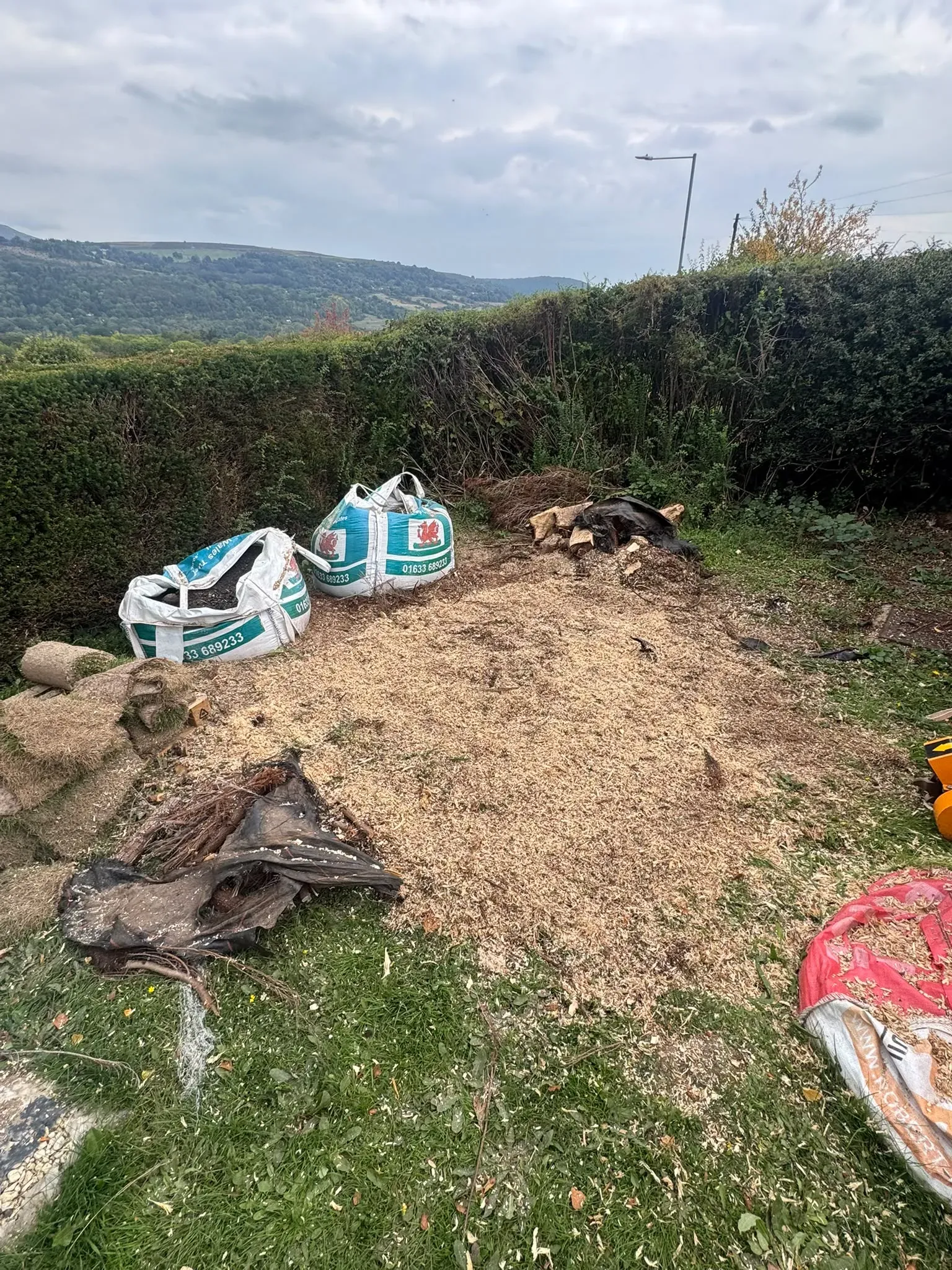
20 02 01) into bulk bags on a Pontypool hillside property ensures clean recycling at the transfer station.
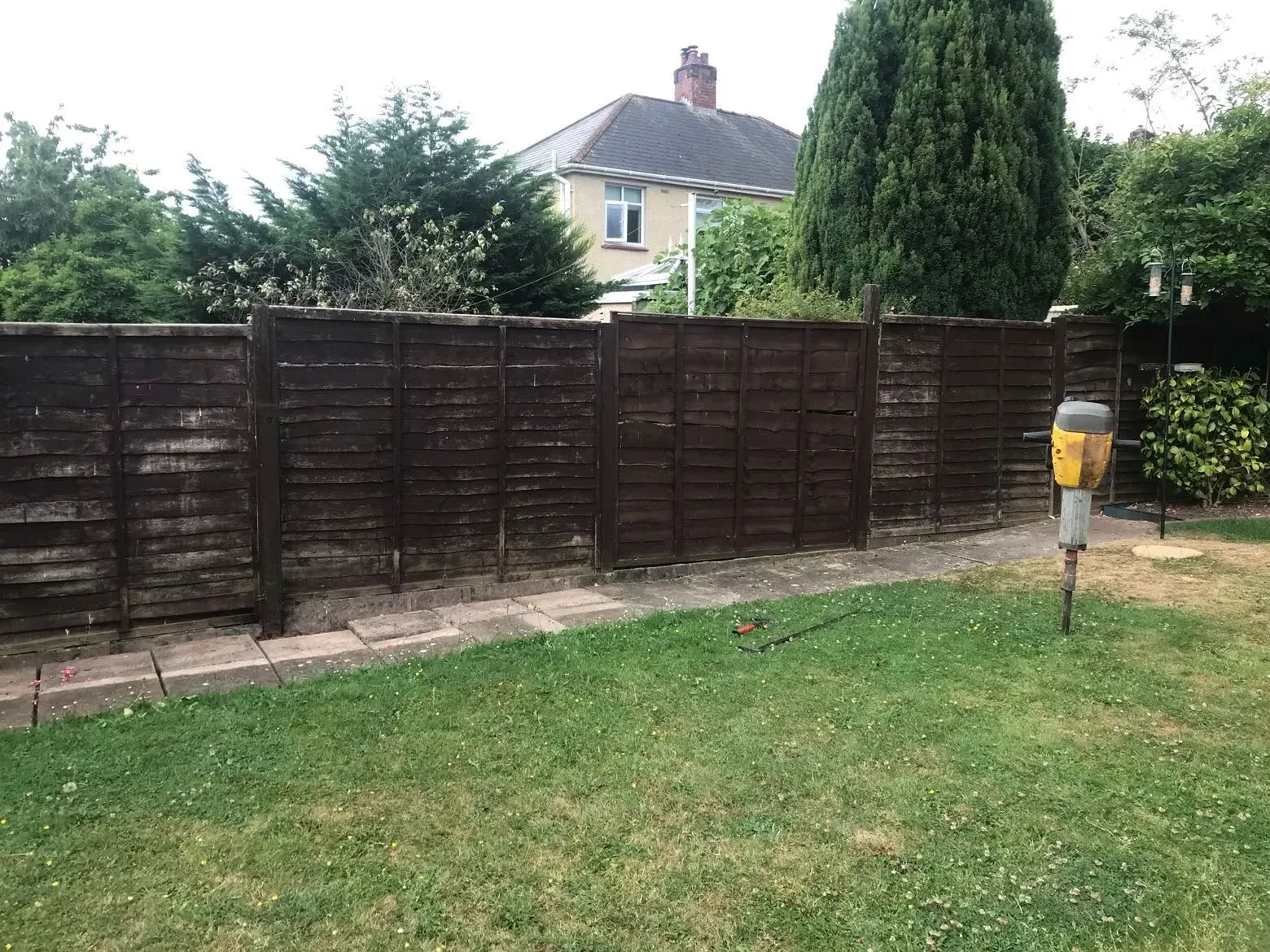
17 02 01) and broken concrete post footings (EWC 17 01 01).
4. Understanding SIC Codes (Standard Industrial Classification)
While the EWC code describes what the rubbish is, the SIC code describes the economic activity of the person or business transferring the waste. Since the 2011 regulatory update, the UK uses the 2007 SIC classification system on Waste Transfer Notes.
Landlords, letting agents, and commercial property owners in Torfaen, Monmouthshire, and Newport frequently get stuck on this box when completing waste paperwork. Here are the exact 2007 SIC codes most relevant to outdoor clearances, property management, and landscaping:
Landscape Service Activities
Used when a professional tree surgery, fencing, or landscaping contractor (such as JDP Outdoor Solutions) produces waste while carrying out site works and transfers it into a commercial waste facility.
Renting & Operating of Own or Leased Real Estate
The standard code for private landlords and buy-to-let investors clearing a rental house or garden between tenancies in Newport, Pontypool, or Caldicot.
Management of Real Estate on a Fee/Contract Basis
Used by residential letting agents, block management companies, and estate managers instructing a clearance on behalf of a property owner.
Specialised Construction (43.99) & Forestry/Logging (02.20)
Used for dedicated boundary fencing/paving installation works (43.99) or large-scale rural timber felling operations (02.20).
Note: Where a WTN is issued directly to a private domestic homeowner for their own household clearance, the SIC code field is marked "N/A – Domestic Household".
5. From Your Garden to the Weighbridge: How the Chain of Custody Works
Understanding what happens after our truck leaves your driveway explains why legitimate waste disposal costs what it does—and why "£40 tip run" adverts on social media are almost always illegal fly-tipping operations.
On-Site Assessment & Stream Segregation
When we clear a site—whether it is storm-damaged fencing on an exposed Pontypool hillside or an overgrown garden in Chepstow—we separate clean green waste (branches, hedge trimmings, logs) from inert hard landscaping waste (concrete post footings, old sandstone slabs) and mixed general rubbish. Segregating materials under the Welsh Workplace Recycling regulations keeps recycling rates high and avoids heavy mixed-load gate fees.
Weigh-In at an Authorised South Wales Transfer Station
Commercial vehicles cannot simply drive into a household council tip for free. We take every load to a permitted commercial waste transfer or green composting facility registered with Natural Resources Wales. Upon arrival, our vehicle drives onto an calibrated in-bridge weighbridge to record the gross laden weight, and our Upper Tier Waste Carrier Licence and vehicle registration are logged against the facility's Environmental Permit.
Tipping, Inspection & Tare Weigh-Out
The load is tipped into the designated bay corresponding to its EWC code (for example, clean green waste for shredding into compost/biomass, or concrete rubble for crushing into recycled Type 1 aggregate). Site marshals inspect the load to verify it matches the declared EWC code. We then drive across the out-bridge weighbridge empty to establish the tare weight.
Weighbridge Ticket & Completed WTN
The weighbridge computer calculates the exact net tonnage (Gross minus Tare) and prints or emails a stamped Weighbridge Ticket / Waste Transfer Note showing the date, time, net weight in tonnes/kilograms, EWC code, carrier licence number, and the receiving site manager's digital signature. For landlords and commercial clients, we provide full transfer documentation so your compliance file is watertight.
6. Five Red Flags That a "Man with a Van" Is Unlicensed
Before handing over garden rubbish, felled branches, or house clearance waste in South East Wales, watch out for these warning signs:
-
01.
They cannot quote their Upper Tier registration number: A legitimate carrier will happily provide their
CBDUorCBDLlicence number before loading a single item. You can verify it in 30 seconds on the Natural Resources Wales public register. - 02. They only hold a "Lower Tier" registration for third-party rubbish: Lower Tier licences are mostly for charities or businesses carrying only their own certain agricultural/animal by-products. If someone is paid to remove your household or construction waste, they must hold an Upper Tier licence.
- 03. The quote is cheaper than commercial weighbridge gate fees: Commercial waste facilities charge per tonne plus VAT. If someone offers to take a full transit van of mixed rubble and mattresses for £35 cash, they are not taking it to a legal weighbridge.
- 04. They refuse to give a receipt or transfer note: Operating exclusively via anonymous social media profiles with no invoice, business details, or WTN leaves you with zero legal defence if your waste is found dumped in a Torfaen or Monmouthshire lane.
- 05. They write "General Rubbish" with no EWC code on landlord paperwork: If you are a landlord or letting agent, an incomplete note without a valid 6-digit EWC code does not satisfy a council or NRW audit.
Frequently Asked Questions: Waste Transfer Notes & Clearances
Are you licensed to take away garden waste and household rubbish?
Yes, JDP Outdoor Solutions holds an official Upper Tier / Full Waste Carrier Licence, guaranteeing that all waste—from felled trees and hedge clippings to old fence panels, patio rubble, and household clearance items—is taken to authorised South Wales recycling and waste transfer facilities.
How long must a Waste Transfer Note be kept by law?
Under the Waste (England and Wales) Regulations 2011, commercial waste producers (including landlords, letting agents, and trade contractors) must keep copies of all non-hazardous Waste Transfer Notes for a minimum of 2 years, and made available immediately if requested by Natural Resources Wales or a local council enforcement officer. (If hazardous waste is involved under a Consignment Note, the retention period increases to 3 years).
What is a "Season Ticket" Waste Transfer Note?
If you are one of our regular grounds maintenance clients, a commercial site, or a landlord with regular green waste collections of the exact same waste description (e.g., EWC 20 02 01 biodegradable hedge and grass trimmings) transferred between the same two parties, the law allows a "Season Ticket" WTN covering multiple transfers for up to 12 months, rather than writing a fresh note for every single fortnightly visit.
Do you remove the waste generated during your tree surgery, fencing, and patio work?
Absolutely. Whenever we carry out tree surgery, stump grinding, DuraPost fence installations, or patio laying across our 15-mile radius around Pontypool, we clear all old materials, excavated soil, and green waste from your property and dispose of it legally under our Waste Carrier Licence.