Preventing Mud Runoff and Blocked Gullies When Pressure Washing Driveways
High-pressure washing shifts decades of compacted moss, jointing sand, and clay silt in minutes. On steep valley properties in Pontypool and across South East Wales, uncontrolled wash water can choke channel drains, overwhelm garden soakaways, or flood public footpaths. Here is how to manage sludge, protect your drainage system, and clean your paving responsibly.
Quick Summary: What You Need to Know
- Dry-scrape first: Always remove heavy moss, weeds, and loose soil with a stiff broom and scraper before turning on the water.
- Protect channel drains: Lift grates, empty silt traps beforehand, and place filter mesh or temporary bungs over gullies while jet washing.
- Safeguard soakaways: Never flush kiln-dried jointing sand or thick mud into a garden soakaway; once silt clogs subterranean crates, it cannot be jetted out.
- Keep pavements clear: Discharging mud and gritty slurry across public footpaths in Torfaen, Newport, or Monmouthshire creates a slip hazard and can breach highways rules.
- Bag and remove waste: Scoop settled sludge into rubble sacks for legal disposal rather than washing it down the road.
Why Runoff is a Major Issue on South Wales Driveways
Our damp Welsh valley microclimate—especially across hillside terraces in Pontypool, Blaenavon borders, and shaded pockets of Abergavenny and Chepstow—creates prime conditions for thick moss cushions, algae, and deep-rooted weeds on block paving, tarmac, and concrete drives.
When you clean a driveway with a pressure washer or commercial rotary flat-surface cleaner (rotowash), the water doesn't just vanish. A commercial washer delivers between 15 and 25 litres of water per minute. Combine that volume with displaced kiln-dried sand from block paving joints, decomposed leaf mould, and heavy clay soil, and you immediately generate hundreds of litres of thick, abrasive liquid slurry.
On steep residential plots in Torfaen or sloping drives in the Wye Valley, gravity accelerates that slurry straight towards the nearest low point—usually your garage threshold, your linear ACO channel drain, a domestic soakaway, or the public pavement outside your property. Without a containment plan, a routine clean can quickly turn into a costly drainage call-out.
3 Drainage Points Vulnerable to Jet Washing Sludge
Before starting any driveway cleaning or patio jet washing project, you need to identify where your surface water drains to and how that system works.
Linear Channel Drains (ACO Drains)
Installed across the bottom of driveways to intercept rainwater. The plastic or metal channels are shallow and feed into a small vertical silt basket. Heavy sand and moss fill this trap in minutes, causing dirty water to spill over into garages or onto the street.
Domestic Garden Soakaways
Modern driveways and patios in suburbs around Newport and Caldicot often drain into underground rubble-filled pits or plastic attenuation crates wrapped in geotextile membrane. If fine mud washes into a soakaway, it blinds the membrane permanently, requiring full excavation.
Trapped Yard Gullies & Highway Drains
Ceramic or plastic U-bend hoppers beside downpipes have a water seal at the base. Washed-out sharp sand sinks straight to the bottom of the U-bend and sets like wet mortar, completely blocking rainwater runoff from your roof and drive.
Step-by-Step: How to Contain Sludge and Protect Drains
At JDP Outdoor Solutions, we follow a strict site-preparation routine before switching on our commercial rotary washers. Whether you are tackling a small area yourself or hiring a contractor, these five steps prevent blocked drains and messy street clean-ups.
1. Dry-Scrape Heavy Moss and Weeds First
Never use the pressure washer lance as a broom to shift thick vegetation. Use a Dutch hoe, block paving wire knife, and a stiff yard brush to scrape out moss cushions, grass tufts, and accumulated soil along kerb edges while the surface is completely dry. Bagging this dry organic matter removes up to 70% of the solid bulk before a single drop of water hits the driveway.
2. Lift Channel Grates and Empty the Silt Trap Before Starting
Before washing, pop off the metal or plastic grates along your ACO channel drain using a flathead screwdriver or lifting key. Scoop out existing decaying leaves and compacted grit along the trough. Locate the outlet end where the channel meets the underground pipe—here you will usually find a removable plastic silt bucket. Empty this bucket completely so you understand how the drain flows and aren't washing water into an already-choked system.
3. Install Temporary Drain Filters or Outfall Bungs
To allow water to escape while trapping heavy sand and moss fibres, wrap the gully grate or line the channel drain outlet with a piece of permeable geotextile membrane (terram), fine wire mesh, or a weighted hessian sandbag filled with pea gravel. If your drain leads directly to a delicate garden soakaway, insert a temporary rubber pipe bung or heavy-duty rubble sack plug into the outlet pipe during the main wash phase, and pump or broom the dirty water towards a controlled collection point instead.
4. Wash from the Bottom of the Slope Upwards (Or Divert in Stages)
Most homeowners start at the top of a sloping driveway and push everything downhill. On a large drive, this builds a huge wave of thick mud at the bottom that overwhelms the lower drain in seconds. Instead, clear and wash a manageable strip near the bottom first, squeegee and shovel the heavy sludge into rubble bags, and then work uphill in sections. Use a heavy-duty foam squeegee or rolled-up sandbag sausage to divert slurry away from public footpaths.
5. Scoop, Bag, and Flush Clean Water Through the Gullies
Once the main rotary wash is complete, allow the heaviest grit and sand to settle at the base of the slope for 10 minutes. Use a square-mouth shovel and dustpan to scoop the wet sand and moss slurry into heavy-duty woven rubble sacks. Only when the solids are removed should you remove your temporary geotextile filter, empty the channel drain silt trap one final time, and run a low-pressure hose down the gully to ensure the U-bend is running clear.
Legal & Council Rules: Public Footpaths and Waste Disposal
Whether your property falls under Torfaen County Borough Council, Newport City Council, or Monmouthshire County Council, discharging mud, silt, and chemical runoff onto a public highway or pavement is strictly regulated:
- Highways Act 1980 (Section 148 & 161): Depositing mud, clay, or slippery moss slurry across a public footpath or road where it poses a slip hazard to pedestrians or blocks council highway gullies is an offence. If you wash a front driveway that slopes directly onto the pavement, you must sweep and rinse the footpath immediately so no slick residue remains.
- Natural Resources Wales (NRW) & Surface Water Drains: Most roadside storm drains carry rainwater directly into local streams and rivers (such as the Afon Lwyd, River Usk, or River Wye). You must never flush harsh patio acids, neat sodium hypochlorite (bleach), or heavy silt clouds straight into roadside surface water gullies.
- Licensed Waste Removal: Excavated driveway sludge, wet jointing sand, and scraped moss are classed as controlled waste when removed by a contractor. JDP Outdoor Solutions holds a Full Upper Tier Waste Carrier Licence, meaning every bag of driveway muck and green waste we collect is disposed of legally at authorised South Wales transfer stations.
Post-Wash Care: Re-Sanding and Repointing to Stop Future Runoff
A large proportion of the gritty sludge produced during pressure washing comes from degraded jointing material between pavers or slabs. If you leave those joints empty after cleaning, the next heavy Welsh downpour will wash out the bedding sand underneath your blocks, causing ruts, sinking pavers, and constant gritty runoff into your drains.
- For Block Paving Driveways: Wait for a dry spell so the blocks and joints are bone dry. Brush fresh kiln-dried silica sand diagonally across the joints until completely full, and sweep off any excess so it doesn't blow into your channel drain.
- For Flagstone Patios & Paved Paths: If high-pressure washing reveals crumbling, moss-ridden mortar joints on Indian sandstone or concrete slabs, our patio repointing team can rake out failed mortar and apply durable, breathable jointing compounds that lock slabs in place and stop weed growth.
Frequently Asked Questions
What should I do if I have already washed sand into my driveway channel drain?
Stop running water immediately so you don't push the sand deeper into the underground pipework. Pop off the channel grates along the full length, scoop out all settled sand from the trough with a narrow trowel, and lift out the plastic silt trap basket at the outlet end to empty it. If sand has settled in the U-bend trap below the basket, wear thick gloves and scoop it out by hand or with a wet-and-dry vacuum before flushing with clean water.
Does a rotary surface cleaner (rotowash) create less mess than a standard lance?
Yes. A commercial rotary flat-surface cleaner houses twin spinning high-pressure jets beneath a skirted hood. This contains upward spray so mud isn't blasted onto your house render, brickwork, windows, or neighbouring cars, and allows the operator to shepherd the ground-level slurry smoothly towards a collection point.
Do you take away the moss and mud removed during a driveway clean?
Yes. Unlike operators who blast moss onto your lawn or down the road and leave, JDP Outdoor Solutions scrapes, bags, and removes all heavy moss, weeds, and silt as part of our service. Because we hold a Full Waste Carrier Licence, all waste is removed legally, and we leave your drains, paths, and surrounding borders thoroughly rinsed down.
Related Services & Guides
Driveway Cleaning in Pont-Y-Pŵl / Pontypool
Driveway jet washing and pressure cleaning in Pontypool, Newport and Torfaen. Lift oil, moss and grime. Call JDP Outdoor Solutions for a quote.
TPO and Conservation Area Tree Rules in South Wales
Learn the rules for Tree Preservation Orders (TPOs) and Conservation Areas across Torfaen, Monmouthshire, and Newport before pruning or felling trees.
Spotting Ash Dieback & Fungal Decay in Garden Trees
Identify early signs of ash dieback, honey fungus, and basal rot in garden trees across Pontypool, Newport, and Monmouthshire before limbs fail.
Why Leaving Old Tree Stumps Can Harm Your Garden
Leaving felled tree stumps to rot invites honey fungus, pests, and root regrowth. Discover why stump grinding in Pontypool protects your garden.
DIY Stump Digging & Eco-Plugs vs Mechanical Removal
Compare manual digging, chemical eco-plugs, and mechanical stump grinding in Pontypool. Call JDP Outdoor Solutions on 01633 603306 for a free quote.
Birkdale DuraPost vs Concrete & Timber Fence Posts
Compare galvanised steel DuraPost with concrete and timber fence posts for South Wales gardens. Built for 110mph winds and wet soils. Call 01633 603306.
Who Owns the Hedge? Boundary Rules Before Removal
Who owns a boundary hedge? Learn how to check title deeds, planting lines, and High Hedges rules before removing hedges in Pontypool and South East Wales.
How to Stop Fence Panels Rattling & Bowing in the Wind
Stop fence panels rattling in slotted posts during high valley winds. Practical guide on wedges, clips, and heavy-duty panel upgrades in Pontypool.
Why Patios Sink: Sub-Bases & Full Mortar Beds Explained
Discover why spot-bedding fails in wet South Wales soils and how compacted MOT Type 1 sub-bases and full mortar beds prevent rocking slabs.
What Items Can Be Taken in a Garden & Rubbish Clearance?
Find out what our licensed rubbish clearance covers across Pontypool and Torfaen, from old fencing and sheds to banned hazardous items like asbestos.
How Hedge Thickness Filters Road Noise & Gusts
Learn how dense evergreen hedges filter valley gusts and road noise better than solid barriers. Expert hedge care across Pontypool and Torfaen.
Child-Safe Latches & Self-Closing Springs for Gates
Keep toddlers and dogs safe with heavy-duty self-closing hinges and magnetic gate latches. Installed across Pontypool and South East Wales.
Sizing a New Patio: Dining Sets, BBQs & Walkways
Calculate square metre footprints for dining sets, chair pull-out clearances, and door transitions with our Pontypool patio laying specialists.
Hiding Unsightly Drain Covers in New Garden Paving
Hide unsightly drain lids in your new garden patio. See how JDP Outdoor Solutions fits recessed infill trays in Pontypool, Newport, and Monmouthshire.
How Commercial Chippers Reduce Branches by 80% Volume
See how commercial hydraulic wood chippers reduce bulky conifer brash and hawthorn by 80% in minutes. Licensed green waste clearance across Pontypool.
Canopy Shaping to Stop Solar Panel & Dish Shading
High tree canopies can cut solar panel output by 40%. Learn how targeted crown reduction in Pontypool restores sunlight and satellite line of sight.
Contemporary Slatted Panels vs Solid Lap: Light & Shade
Compare hit-and-miss slatted panels with solid waney lap fencing for light flow, privacy, and wind resistance across Pontypool and South East Wales.
Why Yew & Cherry Laurel Clippings Must Leave Site Fast
Wilted yew and crushed laurel clippings pose lethal toxin risks to pets and livestock. Book licensed green waste removal in Pontypool on 01633 603306.
What a Legal Waste Transfer Note Actually Looks Like
Learn what a legal Waste Transfer Note looks like, from EWC numbers to SIC codes. Licensed rubbish removal in Pontypool and South Wales. Call 01633 603306.
Checking Old Log Piles & Compost Heaps for Slow Worms
How we safely dismantle old compost bays, sleepers, and log piles in Pontypool to protect slow worms and amphibians during licensed garden clearances.
From Your First Call to a Clear Site
JDP Outdoor Solutions is run by Jac Price from Pontnewynydd, Pontypool. Jac is registered with Natural Resources Wales as an upper-tier waste carrier (CBDU035917). Based at Pontnewynydd, Pontypool NP4 6PR.
Rated 5.0 from 6 Google reviews.Read them on Google
Recent Jobs, in Our Customers' Words
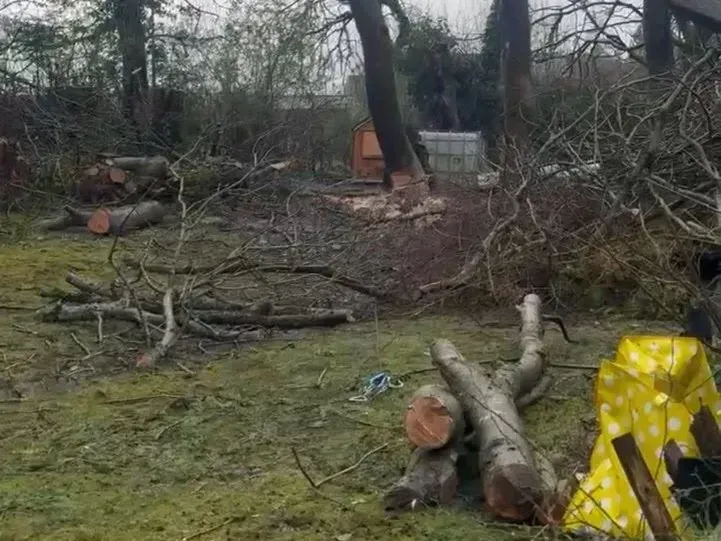
13 tall pine trees felled, stumps ground and a new fence fitted
“Jac and his team were very accommodating with dates and timing. They cut down 13 old tall pine trees, removed and ground the stumps. They completed the fence work in the specified time and left after thoroughly cleaning up the work area.
We are very pleased with the new fence.
Thank you Jac. MB.”
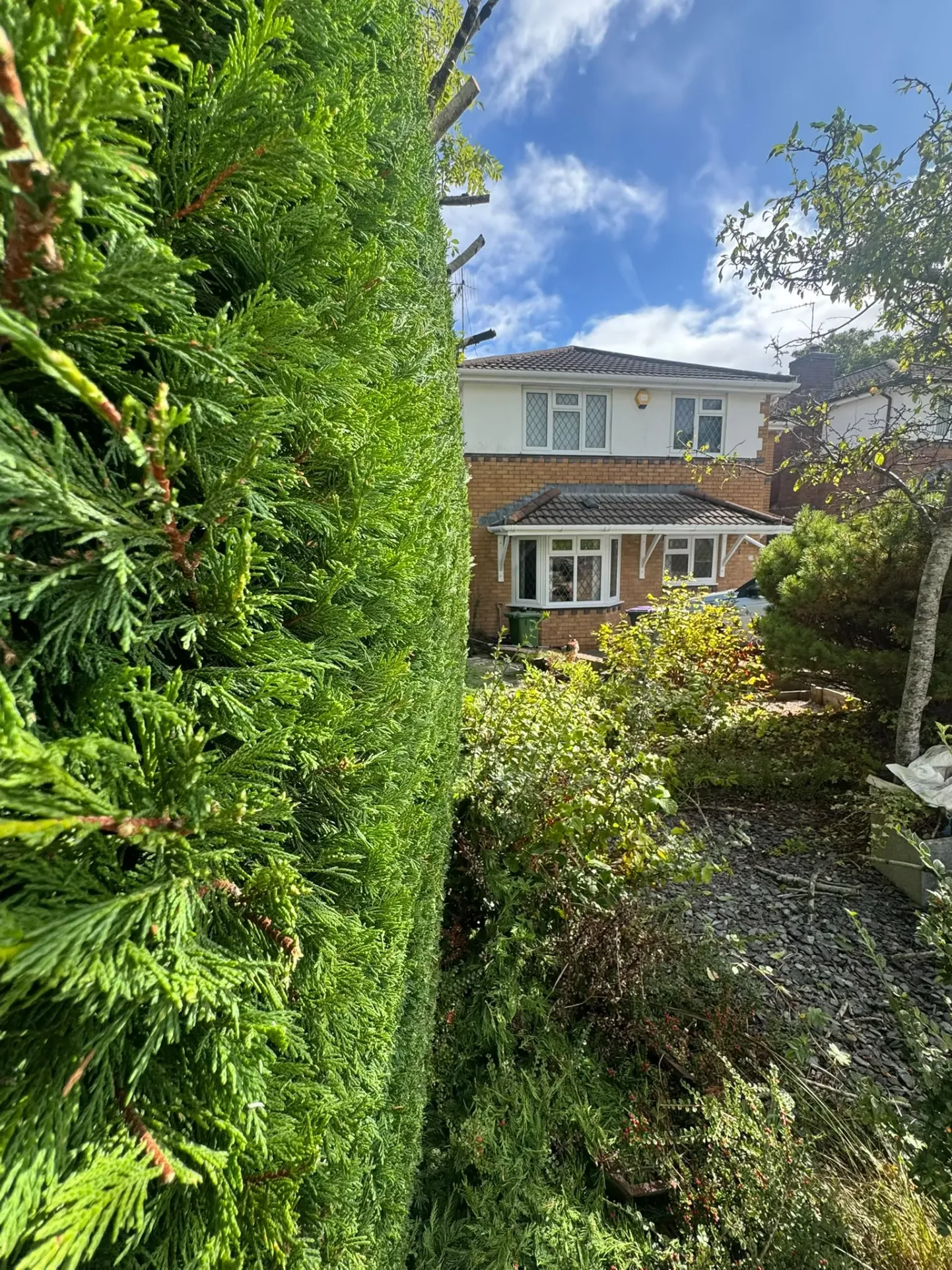
Hedges cut back and the garden tidied
“Had J.D.P Outdoor Solutions in to cut back our hedges and tidy up the garden. They did a brilliant job and made a huge difference to the whole area. Friendly, reliable and very tidy workers. Would definitely use them again.”
-
01
Call or Ask for a Visit
Call 01633 603306, 7am to 7pm, seven days a week, or request a quote online, and we arrange a time to look at the job.
-
02
Checks and a Clear Price
We look at the job on site and give you a clear price before any work starts. For trees, we check for a Tree Preservation Order or conservation area first. If council consent is needed, you know before the job is booked.
-
03
Careful Work on the Day
In tight gardens, trees come down in sections on rigging to protect your property. Heavy hedge cutting is planned around the bird nesting season, in line with the Wildlife and Countryside Act.
-
04
A Clear Site
Stumps can be ground below lawn level. Branches, old fencing and garden waste are taken away under our waste carrier registration to licensed South Wales transfer and recycling depots, never left in a lay-by.
Ready to Restore Your Driveway Without the Drainage Headache?
Call Jac and the team on 01633 603306 for a free quote on your fencing, patio, or tree care project across Pontypool, Torfaen, Newport, and Monmouthshire.