Slow Worm & Amphibian Checks in Rotting Compost Heaps
How we conduct careful, seasonal wildlife hand-searches when dismantling warm compost bays, old railway sleepers, and corrugated iron sheets across Pontypool, Torfaen, and Monmouthshire to protect hibernating frogs, toads, and protected legless lizards.
Quick Guide Summary
- ✓ Legal Protection: Slow worms, common lizards, frogs, and toads are protected under the Wildlife and Countryside Act 1981.
- ✓ High-Risk Features: Decaying timber compost bays, old railway sleepers, and sun-warmed corrugated metal sheets.
- ✓ Active Window: April to October is best for dismantling; October to March is sensitive hibernation season.
- ✓ Our Approach: Layer-by-layer hand stripping before any mechanical tools or bulk bags are used.
Why Old Compost Heaps & Garden Rubbish Are Vital Wildlife Refuges in South East Wales
When homeowners or landlords commission a full site clearance in Pontypool, Abergavenny, Chepstow, or Newport, the back corner of the plot almost always hides a long-forgotten compost heap, a stack of rotting railway sleepers, or sheets of rusted corrugated iron. While these features look like simple garden clutter ready for a grab lorry or bulk waste bags, they form some of the richest micro-habitats in the Welsh valleys and coastal lowlands.
Because reptiles and amphibians are ectothermic (cold-blooded), they rely on external heat sources to regulate their body temperature, digest prey, and incubate young. Rotting green waste generates natural internal warmth through microbial decomposition, while corrugated tin sheets and dark timber sleepers absorb solar radiation rapidly on sunny mornings. In the damp, steep-sided gardens of Torfaen and the mature stone-walled plots of Monmouthshire, these structures become prime refuges for slow worms (Anguis fragilis), common frogs, common toads, and palmate or smooth newts.
At JDP Outdoor Solutions, led by Jac Price, our philosophy of being "biggest to cope, smallest to care" means we never blindly drive machinery into overgrown corners or attack old compost bays with metal forks and breakers. This guide explains the legal requirements, seasonal timing, and methodical hand-search procedures required to clear decaying garden structures safely and legally.
UK Wildlife Law & Identifying What Lives in Your Compost Bay
Under the Wildlife and Countryside Act 1981 (as amended), all native British reptiles—including the slow worm, common lizard, grass snake, and adder—are legally protected against intentional killing or injuring. Natural Resources Wales (NRW) and local planning authorities across Torfaen County Borough Council, Monmouthshire County Council, and Newport City Council take wildlife offences seriously during domestic landscaping and site clearance works.
Slow Worms (Legless Lizards)
Often mistaken for small snakes, slow worms are actually legless lizards. They have shiny, metallic bronze or greyish-brown scales, eyelids that blink (snakes cannot blink), and a blunt tail that they can shed if grabbed by a predator. Growing up to 40–50cm, they burrow into loose, warm compost to hunt slugs, snails, and earthworms.
Frogs, Toads & Newts
Common toads prefer drier, deeper crevices underneath rotting timber sleepers and stone rubble piles, whereas frogs and smooth/palmate newts favour the damp, humid base layers of leaf mould and grass clippings. Note: If Great Crested Newts are suspected near a pond within 250 metres, work must halt immediately as they carry strict European Protected Species status.
The Three High-Risk Refuges We Inspect During Site Clearance
Before we begin green waste removal or ground levelling, our team walks the boundary lines to flag three specific habitat structures commonly found in South Wales gardens:
1. Warm Compost Bays & Grass Clipping Mounds
Open pallet bins and plastic dalek composters create a humid microclimate. The upper layer of fresh clippings acts as an thermal blanket, while the lower fibrous layer of rotting twigs and soil provides subterranean tunnels. Female slow worms are viviparous (giving birth to live young rather than laying eggs) and frequently use active compost heaps in late summer (August and September) as maternity wards to keep their developing young warm.
2. Decaying Railway Sleepers & Timber Edging
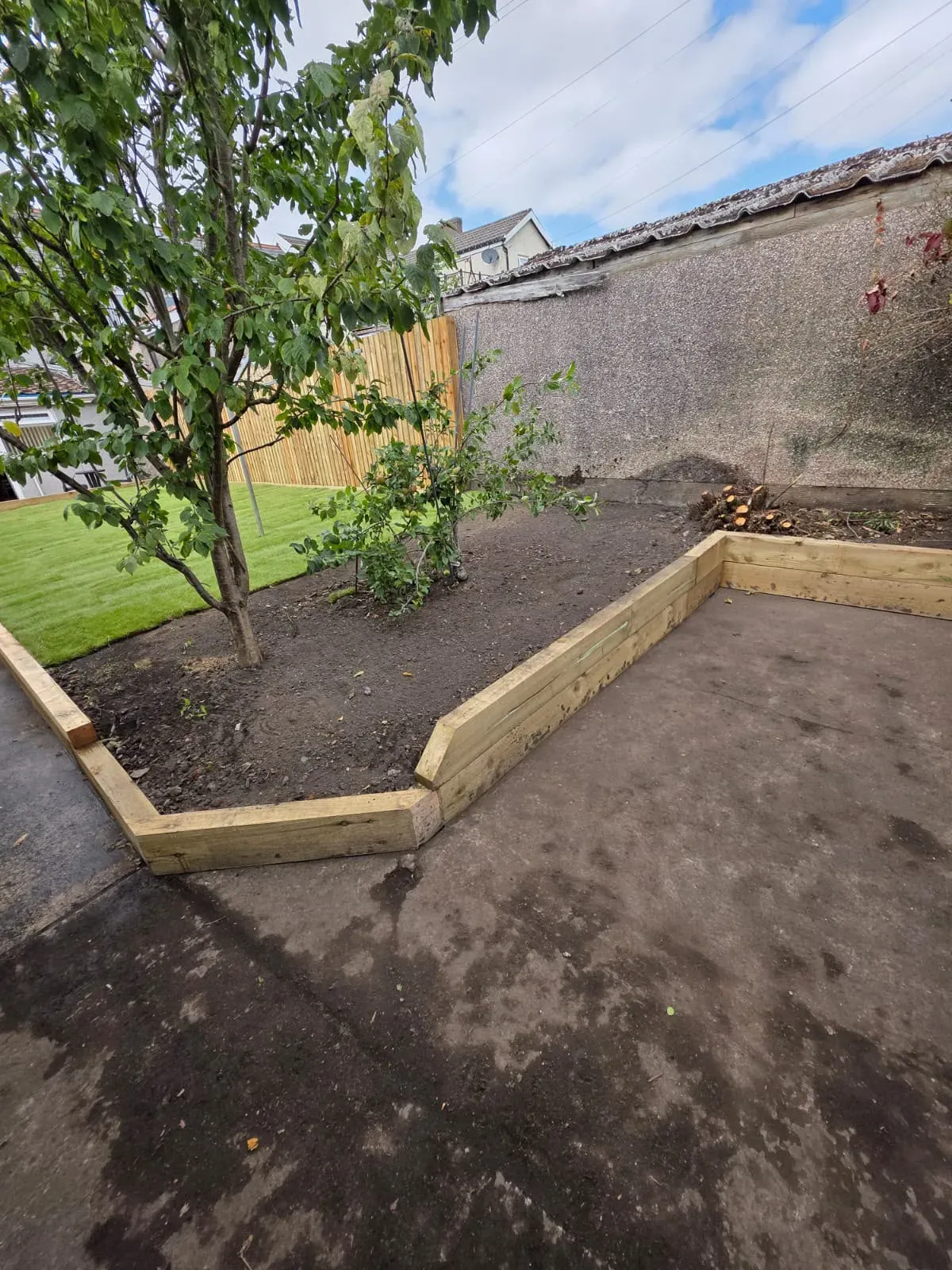
Across tiered valley gardens in Pontypool and Blaenavon borders, old softwood or oak sleepers are widely used to retain sloping soil or edge vegetable beds. Over years of wet Welsh weather, the heartwood rots from the inside out, creating damp, frost-free cavities filled with woodlice and beetles. Toads, newts, and hibernating slow worms wedge themselves deep inside split sleeper seams or beneath the bottom timber course where it meets the clay sub-base.
3. Corrugated Iron Sheets, Old Carpet & Paving Offcuts
Leftover sheets of corrugated tin, bitumen roofing felt, old carpet used as weed suppressant, and stacks of broken concrete slabs act as artificial "refugia" (in fact, professional ecologists lay corrugated tin squares specifically to survey for reptiles). On a cool spring morning in Chepstow or Caldicot, slow worms flatten themselves directly underneath metal sheets to bask in the conducted heat while remaining hidden from magpies, buzzards, and domestic cats.
Seasonal Timing: Active Months vs. Hibernation (Brumation)
Timing your garden clearance properly makes wildlife protection vastly simpler. Reptiles and amphibians follow a strict seasonal cycle dictated by ground frost and ambient air temperatures in South East Wales:
| Season / Months | Wildlife Behaviour | Dismantling Protocol |
|---|---|---|
| Spring (Late March – May) | Emerging from winter torpor; basking under tin sheets and top layers of compost on sunny mornings (10°C–17°C). | GOOD WINDOW Lift sheets carefully during warm daylight hours so animals can move away naturally into adjacent cover. |
| Summer (June – September) | Fully active and mobile. Late August/September brings tiny newborn slow worms (copper-gold with a black dorsal stripe). | OPTIMAL WINDOW Hand-strip compost layers slowly. Extra vigilance required in late summer for matchstick-sized juveniles. |
| Autumn / Winter (October – Early March) | Hibernation (brumation) below the frost line—deep inside compost cores, under sleeper foundations, or down old mammal burrows. | HIGH CAUTION Avoid disturbing deep compost cores or buried sleepers in freezing weather, as torpid animals cannot escape or re-bury themselves if exposed to frost. |
Our Step-by-Step Destructive Hand-Search Method
When you hire JDP Outdoor Solutions for licensed rubbish removal or site clearance, we follow a structured, six-stage method to dismantle compost bays, log piles, and sleeper beds safely:
-
01
Prepare a Safe Receptor Area First
Before touching the heap, we identify or create a safe, undisturbed refuge nearby—such as a quiet log pile under a boundary hedge, a dense shrub border, or a neighbour's adjoining vegetated bank—Ideally within 10 to 20 metres of the work zone, away from lawns where birds or cats patrol.
-
02
Lift Surface Tin, Tarpaulins & Carpet Sheets First
Wearing thick rigger gloves, we slowly peel back corrugated iron sheets, old boards, and polythene covers from one edge, tilting the sheet towards the person lifting to shield us and give any basking reptiles a couple of seconds to Register the light change. Any discovered slow worms or frogs are gently guided or lifted into a breathable ventilated tub lined with damp moss.
-
03
Peel the Compost Heap in Shallow 10cm Horizontal Layers
Rather than digging vertically into the pile with a sharp spade or pitchfork, we use gloved hands and blunt-tined hand cultivators to skim off 10cm horizontal layers from the top down. Each armful of decaying vegetation is sifted visually on a tarpaulin before being loaded into our green waste bulk bags.
-
04
Never Grab a Slow Worm by the Tail
If a slow worm needs to be moved out of harm's way, it must be scooped up gently supporting its full body weight along the palm, or coaxed into a bucket of loose compost. Pinching or grabbing a slow worm by the tail triggers caudal autotomy—a defence mechanism where the lizard snaps off its own tail. While it saves the animal from a predator, tail loss drastically reduces its fat reserves and winter survival rate.
-
05
Dismantle Rotting Railway Sleepers Course by Course
When breaking down raised sleeper beds or rotten fence gravel boards, we lever each timber beam upwards vertically using pry bars rather than dragging it across the soil, which could crush toads or newts sheltering underneath. Hollow timber cores are inspected before the wood is stacked for licensed transfer station disposal.
-
06
Leave Base Footprints Overnight (When Clearing Large Sites)
On substantial overgrown rural plots around Abergavenny or Monmouthshire, once we reduce a heap down to the final 15cm basal layer, leaving it uncovered overnight encourages any remaining subterranean amphibians or reptiles to disperse voluntarily into the surrounding hedgerows before we scrape the bare earth clean the next morning.
Common Mistakes to Avoid Before Our Clearance Team Arrives
Many well-meaning homeowners try to "get a head start" on clearing their garden before our team arrives on site. Please avoid these three common mistakes:
- ✕ Setting Fire to Old Brash & Compost Heaps on Site: An unshifted bonfire pile sitting in a garden for even 48 hours acts as a magnet for hedgehogs, toads, and slow worms. We hold a Full Upper Tier Waste Carrier Licence and remove all green waste legally—never burn uninspected piles.
- ✕ Strimming Long Grass Around Compost Bays First: Running a brushcutter right up to the base of old sleepers or corrugated sheets without a hand-walk survey slices through reptiles basking at the transition edge between the warm structure and tall grass.
- ✕ Relocating Found Slow Worms Miles Away: Do not drive garden reptiles to a distant nature reserve or forest. Moving amphibians or reptiles outside their immediate home range can spread amphibian diseases (such as Ranavirus or chytrid fungus) and places them in unfamiliar territory without established winter hibernacula. Always release them into sheltered cover at the edge of the same garden or immediate boundary.
Frequently Asked Questions: Wildlife & Site Clearance
What happens if you find slow worms or toads while clearing my garden in Pontypool?
For routine domestic garden clearances, finding a few slow worms, frogs, or common toads does not stop your landscaping project. We pause mechanical work in that immediate spot, complete our careful hand-search layer by layer, and gently relocate the animals into a cool, shaded, undisturbed habitat along your boundary hedge, stone wall, or a purpose-built log refuge in a quiet corner of your plot.
Can you clear an old compost heap or rotten railway sleepers in the winter?
Yes, we operate year-round across Torfaen, Newport, and Monmouthshire, but winter clearances require extra judgement. Surface rubbish and above-ground fencing can be removed at any time, but if we encounter a deep, established compost mound or buried sleeper wall showing clear signs of hibernating reptiles during frosty weather (November to February), we will advise either leaving the basal core undisturbed until mild spring temperatures return in late March, or constructing an insulated hibernaculum on-site.
Are you licensed to take away rotting sleepers, corrugated sheets, and compost waste?
Yes. JDP Outdoor Solutions holds a Full Waste Carrier Licence governed by Natural Resources Wales (NRW). Once the hand-search is complete and the materials are verified clear of wildlife, we load all decayed timber, scrap corrugated metal, rubble, and green waste for legal disposal at authorised South Wales waste transfer and recycling stations.
How can I keep supporting slow worms after my garden is cleared and landscaped?
Slow worms are a gardener's best ally because they devour slugs and snails around patios and planting beds. When we install new DuraPost fencing or featheredge fencing, we can leave small 10cm wildlife hedgehog and reptile highways beneath gravel boards in discreet corners, or stack a neat timber log pile behind a shed to give displaced wildlife a permanent home.
Related Services & Guides
Site Clearance in Pont-Y-Pŵl / Pontypool
Site and garden clearance in Pontypool and Torfaen. Overgrown plots, rubble and green waste cleared and taken away. Call 01633 603306.
TPO and Conservation Area Tree Rules in South Wales
Learn the rules for Tree Preservation Orders (TPOs) and Conservation Areas across Torfaen, Monmouthshire, and Newport before pruning or felling trees.
Spotting Ash Dieback & Fungal Decay in Garden Trees
Identify early signs of ash dieback, honey fungus, and basal rot in garden trees across Pontypool, Newport, and Monmouthshire before limbs fail.
Why Leaving Old Tree Stumps Can Harm Your Garden
Leaving felled tree stumps to rot invites honey fungus, pests, and root regrowth. Discover why stump grinding in Pontypool protects your garden.
DIY Stump Digging & Eco-Plugs vs Mechanical Removal
Compare manual digging, chemical eco-plugs, and mechanical stump grinding in Pontypool. Call JDP Outdoor Solutions on 01633 603306 for a free quote.
Birkdale DuraPost vs Concrete & Timber Fence Posts
Compare galvanised steel DuraPost with concrete and timber fence posts for South Wales gardens. Built for 110mph winds and wet soils. Call 01633 603306.
Who Owns the Hedge? Boundary Rules Before Removal
Who owns a boundary hedge? Learn how to check title deeds, planting lines, and High Hedges rules before removing hedges in Pontypool and South East Wales.
How to Stop Fence Panels Rattling & Bowing in the Wind
Stop fence panels rattling in slotted posts during high valley winds. Practical guide on wedges, clips, and heavy-duty panel upgrades in Pontypool.
Why Patios Sink: Sub-Bases & Full Mortar Beds Explained
Discover why spot-bedding fails in wet South Wales soils and how compacted MOT Type 1 sub-bases and full mortar beds prevent rocking slabs.
What Items Can Be Taken in a Garden & Rubbish Clearance?
Find out what our licensed rubbish clearance covers across Pontypool and Torfaen, from old fencing and sheds to banned hazardous items like asbestos.
How Hedge Thickness Filters Road Noise & Gusts
Learn how dense evergreen hedges filter valley gusts and road noise better than solid barriers. Expert hedge care across Pontypool and Torfaen.
Child-Safe Latches & Self-Closing Springs for Gates
Keep toddlers and dogs safe with heavy-duty self-closing hinges and magnetic gate latches. Installed across Pontypool and South East Wales.
Sizing a New Patio: Dining Sets, BBQs & Walkways
Calculate square metre footprints for dining sets, chair pull-out clearances, and door transitions with our Pontypool patio laying specialists.
Hiding Unsightly Drain Covers in New Garden Paving
Hide unsightly drain lids in your new garden patio. See how JDP Outdoor Solutions fits recessed infill trays in Pontypool, Newport, and Monmouthshire.
Managing Slurry & Drain Runoff During Driveway Washing
Prevent blocked gullies and mud runoff during driveway pressure washing in Pontypool. Practical advice on silt traps, sludge control, and soakaways.
How Commercial Chippers Reduce Branches by 80% Volume
See how commercial hydraulic wood chippers reduce bulky conifer brash and hawthorn by 80% in minutes. Licensed green waste clearance across Pontypool.
Canopy Shaping to Stop Solar Panel & Dish Shading
High tree canopies can cut solar panel output by 40%. Learn how targeted crown reduction in Pontypool restores sunlight and satellite line of sight.
Contemporary Slatted Panels vs Solid Lap: Light & Shade
Compare hit-and-miss slatted panels with solid waney lap fencing for light flow, privacy, and wind resistance across Pontypool and South East Wales.
Why Yew & Cherry Laurel Clippings Must Leave Site Fast
Wilted yew and crushed laurel clippings pose lethal toxin risks to pets and livestock. Book licensed green waste removal in Pontypool on 01633 603306.
What a Legal Waste Transfer Note Actually Looks Like
Learn what a legal Waste Transfer Note looks like, from EWC numbers to SIC codes. Licensed rubbish removal in Pontypool and South Wales. Call 01633 603306.
From Your First Call to a Clear Site
JDP Outdoor Solutions is run by Jac Price from Pontnewynydd, Pontypool. Jac is registered with Natural Resources Wales as an upper-tier waste carrier (CBDU035917). Based at Pontnewynydd, Pontypool NP4 6PR.
Rated 5.0 from 6 Google reviews.Read them on Google
Recent Jobs, in Our Customers' Words
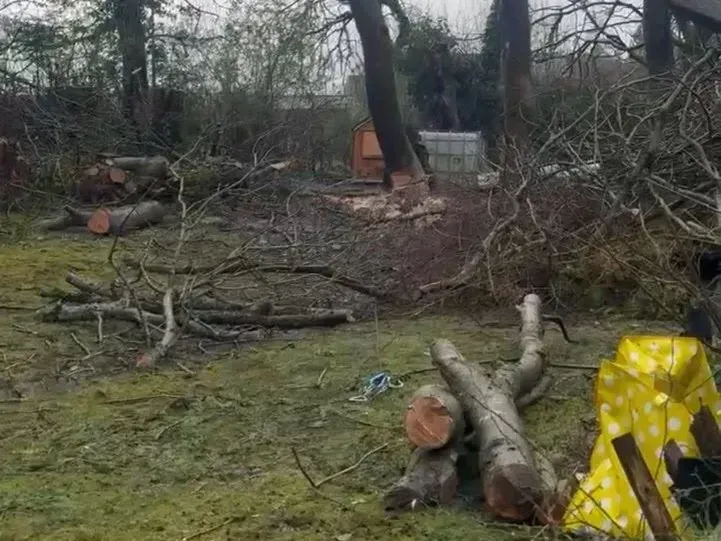
13 tall pine trees felled, stumps ground and a new fence fitted
“Jac and his team were very accommodating with dates and timing. They cut down 13 old tall pine trees, removed and ground the stumps. They completed the fence work in the specified time and left after thoroughly cleaning up the work area.
We are very pleased with the new fence.
Thank you Jac. MB.”
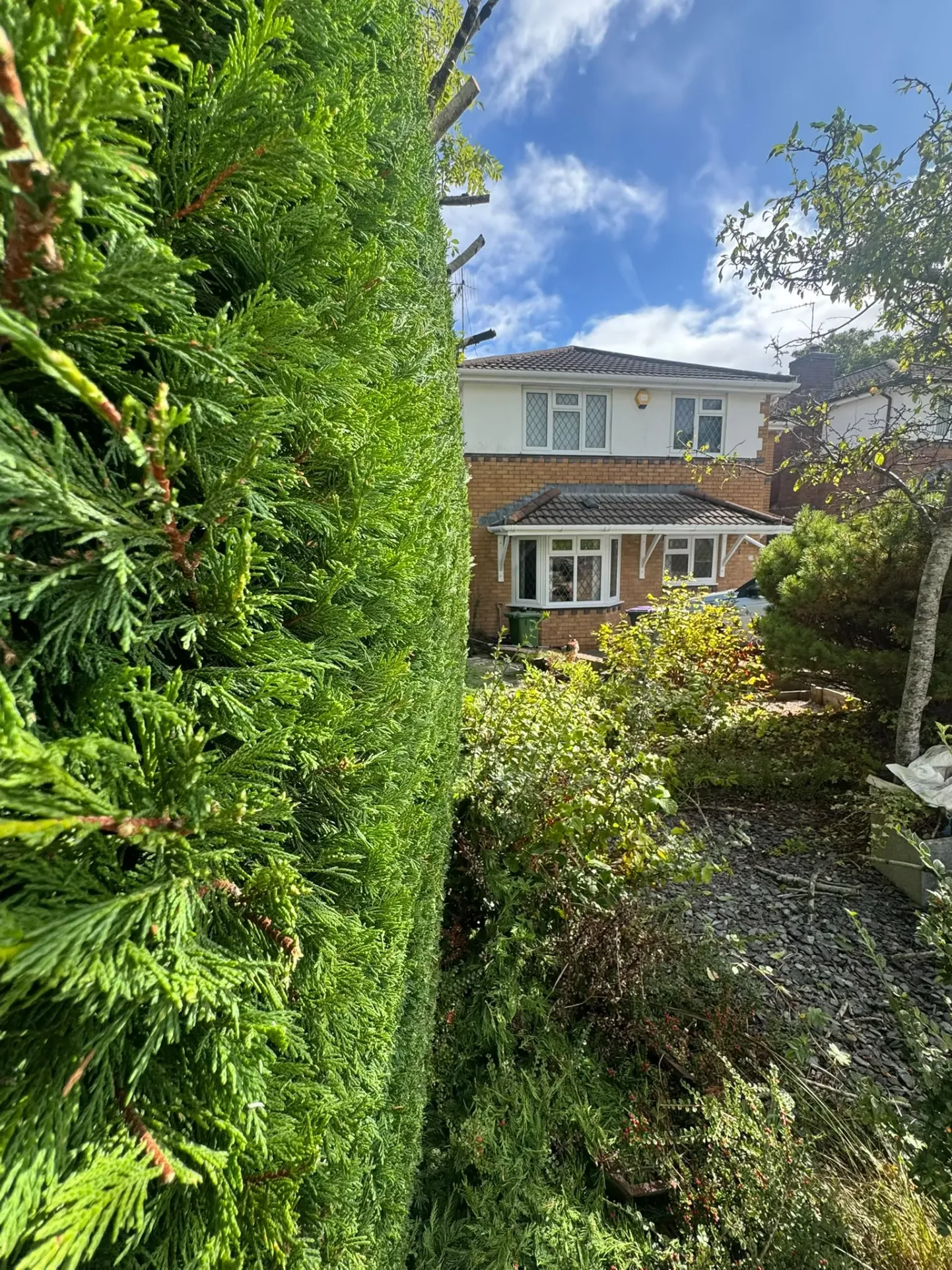
Hedges cut back and the garden tidied
“Had J.D.P Outdoor Solutions in to cut back our hedges and tidy up the garden. They did a brilliant job and made a huge difference to the whole area. Friendly, reliable and very tidy workers. Would definitely use them again.”
-
01
Call or Ask for a Visit
Call 01633 603306, 7am to 7pm, seven days a week, or request a quote online, and we arrange a time to look at the job.
-
02
Checks and a Clear Price
We look at the job on site and give you a clear price before any work starts. For trees, we check for a Tree Preservation Order or conservation area first. If council consent is needed, you know before the job is booked.
-
03
Careful Work on the Day
In tight gardens, trees come down in sections on rigging to protect your property. Heavy hedge cutting is planned around the bird nesting season, in line with the Wildlife and Countryside Act.
-
04
A Clear Site
Stumps can be ground below lawn level. Branches, old fencing and garden waste are taken away under our waste carrier registration to licensed South Wales transfer and recycling depots, never left in a lay-by.
Planning a Garden or Site Clearance in Pontypool, Newport, or Monmouthshire?
Call Jac and the team on 01633 603306 for a free quote on your site clearance, fencing, patio, or tree care project. Dealing with a storm-damaged or hazardous tree? Call our emergency tree line.