Identifying Ash Dieback & Fungal Decay in Trees Across Pontypool & Torfaen
A practical visual checklist for homeowners across South East Wales. Learn how to spot the early warning signs of ash dieback, honey fungus, and basal rot before heavy branches or root systems become structurally unstable in valley winds.
Emergency Tree Hazard?
If a diseased tree is leaning towards your home, shedding large limbs, or lifting at the root plate after heavy rain in Pontypool, Newport, or Monmouthshire, do not wait.
Emergency Call: 01633 603306Why Early Detection Matters in the South Wales Valleys
Across Pontypool, the Torfaen valleys, Abergavenny, and Chepstow, mature trees face a harsh combination of high annual rainfall, heavy clay soils, and severe wind funnelling along hillside slopes. While a healthy tree can flex and absorb storm forces, a tree compromised by internal fungal decay or vascular disease loses its natural tensile strength.
Ash dieback (Hymenoscyphus fraxineus) and aggressive root-rot fungi have transformed tree management across Gwent and Monmouthshire. What begins as minor leaf discolouration in summer can rapidly progress into brittle, dead upper branches or complete root-plate failure within a few seasons. Spotting these indicators early allows a professional tree surgeon to carry out targeted crown reductions or controlled sectional dismantling while the timber is still safe to climb.
Quick Visual Diagnostic Checklist
Walk around your garden boundary once in mid-summer (when the canopy should be in full leaf) and once in autumn (when fungal fruiting bodies emerge). Check these four zones:
- 01. Upper Canopy: Sparse, tufted foliage or bare "stag-headed" branch tips projecting above the green crown.
- 02. Bark & Stems: Diamond-shaped dark lesions, weeping black sap, or peeling bark near side shoots.
- 03. Trunk Base (Collar): Clusters of honey-coloured mushrooms, tough woody brackets, or hollow-sounding timber.
- 04. Root Plate & Soil: Heaving turf, fresh cracks in the soil opposite the lean, or black "bootlace" cords under dead bark.
1. Identifying Ash Dieback (Hymenoscyphus fraxineus)
Ash dieback is an airborne fungal disease that blocks the water-transport systems inside native common ash trees (Fraxinus excelsior). Because ash trees are one of the most common boundary and hedgerow species in Torfaen and Monmouthshire, hundreds of domestic gardens contain infected specimens.
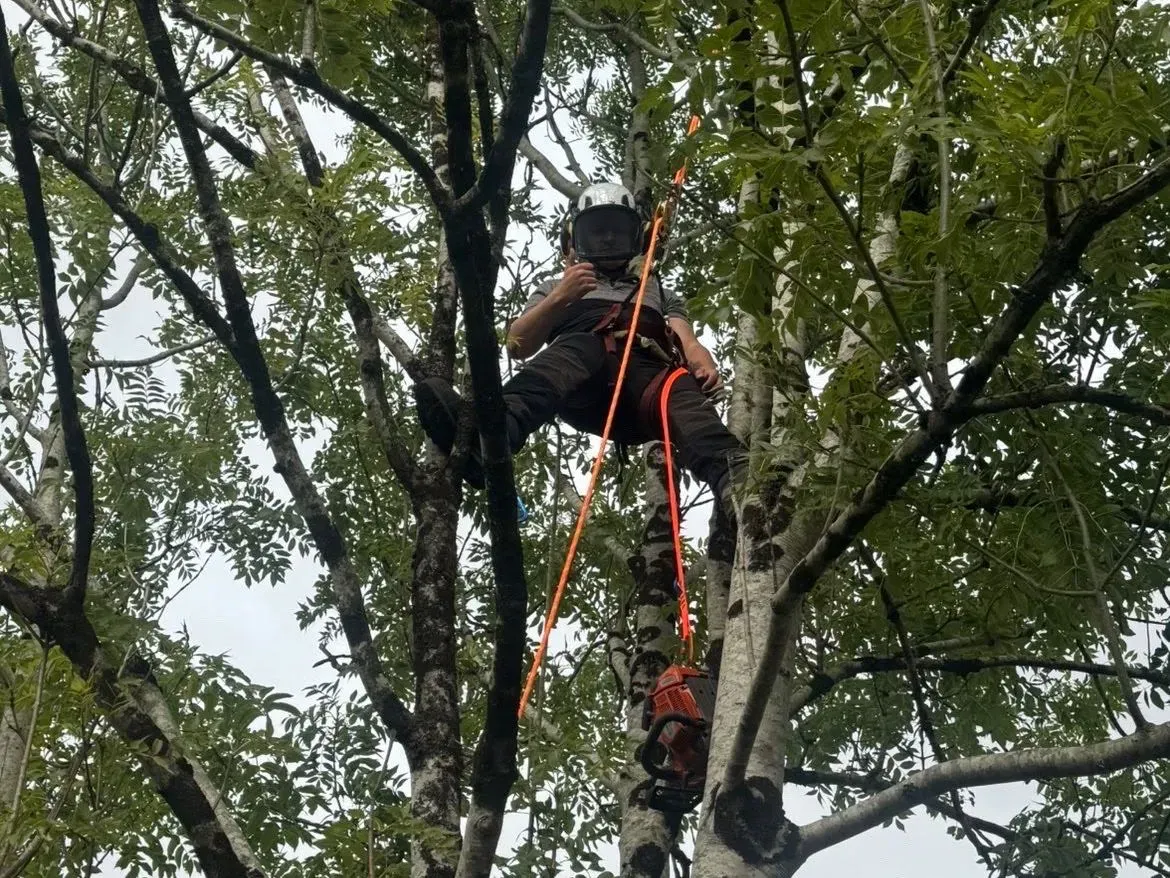
Key Symptoms to Watch For:
- Blackening Leaves (July–September): Unlike normal autumn leaf drop where ash leaves turn yellow first, dieback causes leaves and leaflets to wilt and turn black suddenly in mid-summer.
- Diamond Stem Lesions: Where a side shoot meets a main branch, dark brown or purplish diamond-shaped lesions form on the bark, girdling the branch and cutting off sap flow.
- Epicormic Growth: As the outer crown dies back, the tree panics and pushes out dense, bushy clusters of bright green shoots along the main trunk and lower boughs.
The Hidden Danger: Brittle Ash Timber
Healthy ash is famous for its elasticity and shock resistance. However, once a tree loses more than 50% of its canopy to ash dieback, the wood dries out rapidly and becomes dangerously brittle. Additionally, weakened ash trees almost always attract secondary root-rot fungi at the base. If an infected ash tree is left too long, it becomes unsafe for an arborist to climb using ropes, requiring costly crane or mobile elevated platform access. Early sectional tree felling saves money and prevents unpredicted limb drop onto fences, sheds, or neighbouring driveways.
2. Spotting Honey Fungus & Basal Rot
While canopy diseases are visible against the sky, the most catastrophic tree failures in South Wales gardens are caused by decay at the base of the trunk (the root flare or buttress zone) and underground within the structural roots.
Honey Fungus (Armillaria species)
Honey fungus is a parasitic pathogen that attacks and kills the roots of woody plants, ranging from mature oaks, birches, and conifers down to garden privet and Leylandii hedges. It spreads underground via tough black root-like strands called rhizomorphs (often nicknamed "bootlaces").
- White Mycelial Sheets: If you peel back a small piece of dead, loose bark at the very base of the trunk, you will see a fan-shaped sheet of creamy-white fungus growing between the bark and the wood, smelling strongly of mushrooms.
- Autumn Toadstools: Between September and November, dense clumps of yellow-brown, honey-coloured mushrooms with pale rings on their stems appear briefly around the base of the trunk or along buried root lines in the lawn.
- Aftercare Requirement: If a tree or hedge is killed by honey fungus, leaving the stump in the ground provides a massive food source for the fungus to attack neighbouring shrubs and fences. Professional stump grinding and root excavation is the most effective practical step to reduce the fungal load in your garden soil.
Wood-Decaying Bracket Fungi (Ganoderma, Meripilus & Inonotus)
Bracket fungi feed on the structural lignin and cellulose inside a tree's heartwood and roots. By the time a fungal bracket (conk) pushes out through the bark, internal decay is already well established.
- Giant Polypore (Meripilus giganteus): Commonly found at the base of beech and oak trees in late summer. It forms large, overlapping rosettes of tan/brown fronds arising from the soil around the roots. Because it rots the underside of the structural root plate, trees with Meripilus can topple without warning even when the upper leaves look completely green and healthy.
- Ganoderma Brackets: Tough, woody, shelf-like brackets with a reddish-brown upper surface and a white underside that bruises brown when scratched. These persist year-round at the base of trunks, indicating deep internal hollowing and white rot.
- Bottle-Butt Swelling: Sometimes a tree tries to compensate for internal hollowing by laying down extra wood around the base, creating a noticeably swollen, flared lower trunk.
3. Internal Structural Decay vs Minor Seasonal Stress
Not every discoloured leaf or bark crack means a tree needs felling. Understanding the difference between cosmetic seasonal stress and genuine structural failure helps you make calm, informed decisions about your garden trees.
| Visual Marker | Minor Seasonal Stress (Low Risk) | Structural Decay / Disease (High Risk) |
|---|---|---|
| Leaf Loss & Colour | Uniform yellowing or browning across the whole canopy during dry August spells; normal twig shedding inside shaded inner crowns. | Sudden blackening of leaves in summer; entire upper limbs completely bare ("stag-headed") while the lower trunk sprouts frantic bushy shoots. |
| Growths on Bark | Grey, crusty, or leafy lichen and green moss growing on the surface of bark (common in damp Welsh valley air and completely harmless). | Woody shelf-like fungal brackets, soft weeping black tar-like spots on bark, or clusters of toadstools emerging directly from root flares. |
| Bark Cracks | Shallow vertical growth fissures showing healthy callus wood rolling evenly on both sides in fast-growing young trees. | Deep cavities containing wet, crumbly, sponge-like wood; split bark at main V-shaped branch unions; loose sheets of dead bark flaking off to reveal white fungus. |
| Ground & Roots | Surface roots thickening over time and gently lifting lawn turf or patio edges without any movement when the wind blows. | Fresh soil cracks opening on one side of the trunk and mounding turf on the opposite side; visible rocking of the root plate during gusty weather. |
4. TPOs, Conservation Areas & Legal Rules in Torfaen, Newport & Monmouthshire
Before carrying out any pruning or felling on a mature tree, it is vital to check whether the tree is protected by a Tree Preservation Order (TPO) or sits within a designated Conservation Area (such as historic pockets around Pontypool Park, Abergavenny town centre, or Chepstow).
Standard Council Consent Rules
For protected trees showing early-stage disease, an application (for a TPO) or a 6-week Section 211 notice (for a Conservation Area) must be submitted to Torfaen County Borough Council, Monmouthshire County Council, or Newport City Council before work starts.
Dead or Immediately Dangerous Exemptions
If a protected tree is completely dead or poses an immediate, demonstrable danger to people or property (such as a split trunk or active root failure), statutory exemptions allow urgent work to make the tree safe—typically requiring photographic evidence and a 5-day notice to the council.
In addition, under the Wildlife and Countryside Act 1981, all trees and hedges must be checked for active bird nests (particularly between March and August) and roosting bats (which often shelter inside woodpecker holes and loose bark on decaying ash and oak trees) prior to cutting.
5. How JDP Outdoor Solutions Handles Diseased & Decayed Trees
Operating from our Pontypool base across a 15-mile radius, Jac Price and the team have completed over 1,000 outdoor projects. When you ask us to inspect a suspect tree in your garden, we give you a straight, practical assessment—never pushing for a full fell if a targeted reduction can safely retain the tree.
Deadwooding & Crown Reduction
For mature trees with minor dieback or localized decay, crown reduction and deadwood removal lowers the wind sail effect on valley hillsides while preserving shade and habitat.
Sectional Dismantling with Rigging
In tight terraced gardens or close to glasshouses and stone walls, we use heavy-duty lowering ropes and pulleys to dismantle diseased trees piece by piece with zero impact on your property.
Stump Grinding & Fungal Removal
Using high-powered mechanical grinders that fit through standard garden side gates, we grind infected stumps well below turf level so honey fungus cannot spread along your boundary line.
Licensed Bio-Secure Waste Removal
We hold a Full Waste Carrier Licence. All diseased brash, fungal timber, and chippings are cleared through our green waste removal service and taken to authorised South Wales facilities.
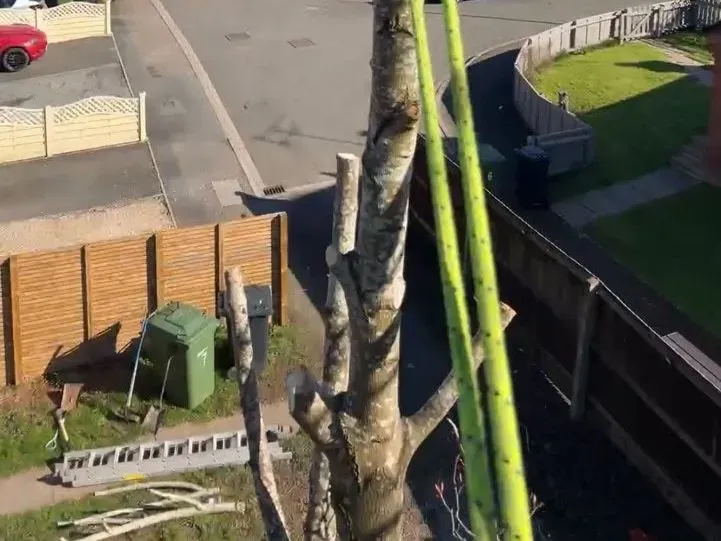
Controlled sectional dismantling in a residential garden using rigging ropes to protect surrounding boundary fences and lawns.
Frequently Asked Questions: Ash Dieback & Tree Decay
Straight answers to common questions from homeowners in Torfaen, Monmouthshire, and Newport regarding diseased trees and safety obligations.
Do I need council permission to fell a diseased tree in Torfaen or Monmouthshire?
If the tree is protected by a Tree Preservation Order (TPO) or sits within a designated Conservation Area, an application must be submitted to the local council (Torfaen, Monmouthshire, or Newport) unless the tree is completely dead or poses an immediate, demonstrable hazard requiring urgent action.
Does every ash tree with ash dieback need to be felled immediately?
Not always. If an ash tree retains more than 50–75% of its leaf canopy and shows no signs of secondary basal rot or honey fungus at the roots, it can sometimes be managed through selective deadwooding or crown reduction. Once canopy loss exceeds 50%, however, the timber rapidly turns brittle and felling is usually recommended before climbing becomes unsafe.
How deep do you grind tree stumps after removing a fungus-infected tree?
Our mechanical stump grinding removes the main stump and root crown well beneath turf level. Removing the bulk of the dead timber deprives honey fungus and saprophytic fungi of the woody food source they use to send out underground "bootlace" cords toward nearby hedges and shrubs.
What happens if a decayed tree falls on my fence or property during a storm?
We provide emergency tree surgery across our 15-mile Pontypool catchment to make storm-damaged trees safe, clear blocked driveways, and remove fallen limbs. Because we are also Birkdale DuraPost fencing specialists, we can repair or rebuild crushed boundary fences without needing a second contractor.
Related Services & Guides
Explore our specialist tree surgery services and practical outdoor maintenance guides for South East Wales.
Professional Tree Surgery and Emergency Tree Care in Pontypool, Newport, and across Torfaen.
Need a tree surgeon in Pontypool? Felling, crown reduction, stump grinding and emergency tree work across Torfaen. Call 01633 603306.
TPO and Conservation Area Tree Rules in South Wales
Learn the rules for Tree Preservation Orders (TPOs) and Conservation Areas across Torfaen, Monmouthshire, and Newport before pruning or felling trees.
Why Leaving Old Tree Stumps Can Harm Your Garden
Leaving felled tree stumps to rot invites honey fungus, pests, and root regrowth. Discover why stump grinding in Pontypool protects your garden.
DIY Stump Digging & Eco-Plugs vs Mechanical Removal
Compare manual digging, chemical eco-plugs, and mechanical stump grinding in Pontypool. Call JDP Outdoor Solutions on 01633 603306 for a free quote.
Birkdale DuraPost vs Concrete & Timber Fence Posts
Compare galvanised steel DuraPost with concrete and timber fence posts for South Wales gardens. Built for 110mph winds and wet soils. Call 01633 603306.
Who Owns the Hedge? Boundary Rules Before Removal
Who owns a boundary hedge? Learn how to check title deeds, planting lines, and High Hedges rules before removing hedges in Pontypool and South East Wales.
How to Stop Fence Panels Rattling & Bowing in the Wind
Stop fence panels rattling in slotted posts during high valley winds. Practical guide on wedges, clips, and heavy-duty panel upgrades in Pontypool.
Why Patios Sink: Sub-Bases & Full Mortar Beds Explained
Discover why spot-bedding fails in wet South Wales soils and how compacted MOT Type 1 sub-bases and full mortar beds prevent rocking slabs.
What Items Can Be Taken in a Garden & Rubbish Clearance?
Find out what our licensed rubbish clearance covers across Pontypool and Torfaen, from old fencing and sheds to banned hazardous items like asbestos.
How Hedge Thickness Filters Road Noise & Gusts
Learn how dense evergreen hedges filter valley gusts and road noise better than solid barriers. Expert hedge care across Pontypool and Torfaen.
Child-Safe Latches & Self-Closing Springs for Gates
Keep toddlers and dogs safe with heavy-duty self-closing hinges and magnetic gate latches. Installed across Pontypool and South East Wales.
Sizing a New Patio: Dining Sets, BBQs & Walkways
Calculate square metre footprints for dining sets, chair pull-out clearances, and door transitions with our Pontypool patio laying specialists.
Hiding Unsightly Drain Covers in New Garden Paving
Hide unsightly drain lids in your new garden patio. See how JDP Outdoor Solutions fits recessed infill trays in Pontypool, Newport, and Monmouthshire.
Managing Slurry & Drain Runoff During Driveway Washing
Prevent blocked gullies and mud runoff during driveway pressure washing in Pontypool. Practical advice on silt traps, sludge control, and soakaways.
How Commercial Chippers Reduce Branches by 80% Volume
See how commercial hydraulic wood chippers reduce bulky conifer brash and hawthorn by 80% in minutes. Licensed green waste clearance across Pontypool.
Canopy Shaping to Stop Solar Panel & Dish Shading
High tree canopies can cut solar panel output by 40%. Learn how targeted crown reduction in Pontypool restores sunlight and satellite line of sight.
Contemporary Slatted Panels vs Solid Lap: Light & Shade
Compare hit-and-miss slatted panels with solid waney lap fencing for light flow, privacy, and wind resistance across Pontypool and South East Wales.
Why Yew & Cherry Laurel Clippings Must Leave Site Fast
Wilted yew and crushed laurel clippings pose lethal toxin risks to pets and livestock. Book licensed green waste removal in Pontypool on 01633 603306.
What a Legal Waste Transfer Note Actually Looks Like
Learn what a legal Waste Transfer Note looks like, from EWC numbers to SIC codes. Licensed rubbish removal in Pontypool and South Wales. Call 01633 603306.
Checking Old Log Piles & Compost Heaps for Slow Worms
How we safely dismantle old compost bays, sleepers, and log piles in Pontypool to protect slow worms and amphibians during licensed garden clearances.
From Your First Call to a Clear Site
JDP Outdoor Solutions is run by Jac Price from Pontnewynydd, Pontypool. Jac is registered with Natural Resources Wales as an upper-tier waste carrier (CBDU035917). Based at Pontnewynydd, Pontypool NP4 6PR.
Rated 5.0 from 6 Google reviews.Read them on Google
Recent Jobs, in Our Customers' Words
13 tall pine trees felled, stumps ground and a new fence fitted
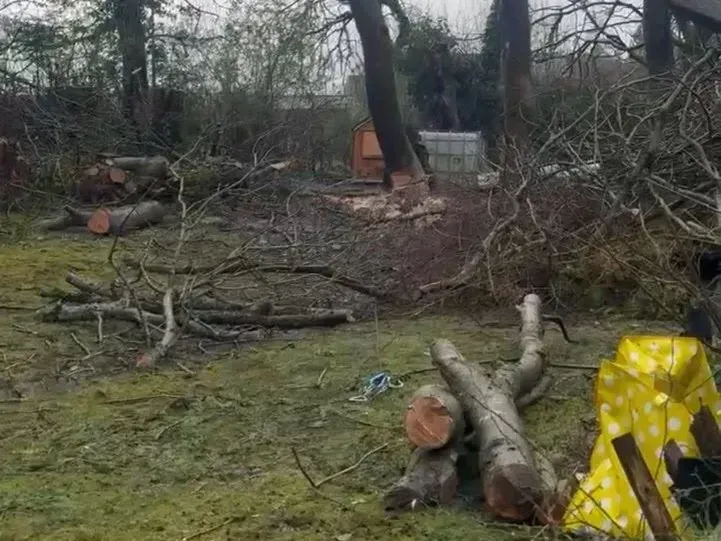
“Jac and his team were very accommodating with dates and timing. They cut down 13 old tall pine trees, removed and ground the stumps. They completed the fence work in the specified time and left after thoroughly cleaning up the work area.
We are very pleased with the new fence.
Thank you Jac. MB.”
Hedges cut back and the garden tidied
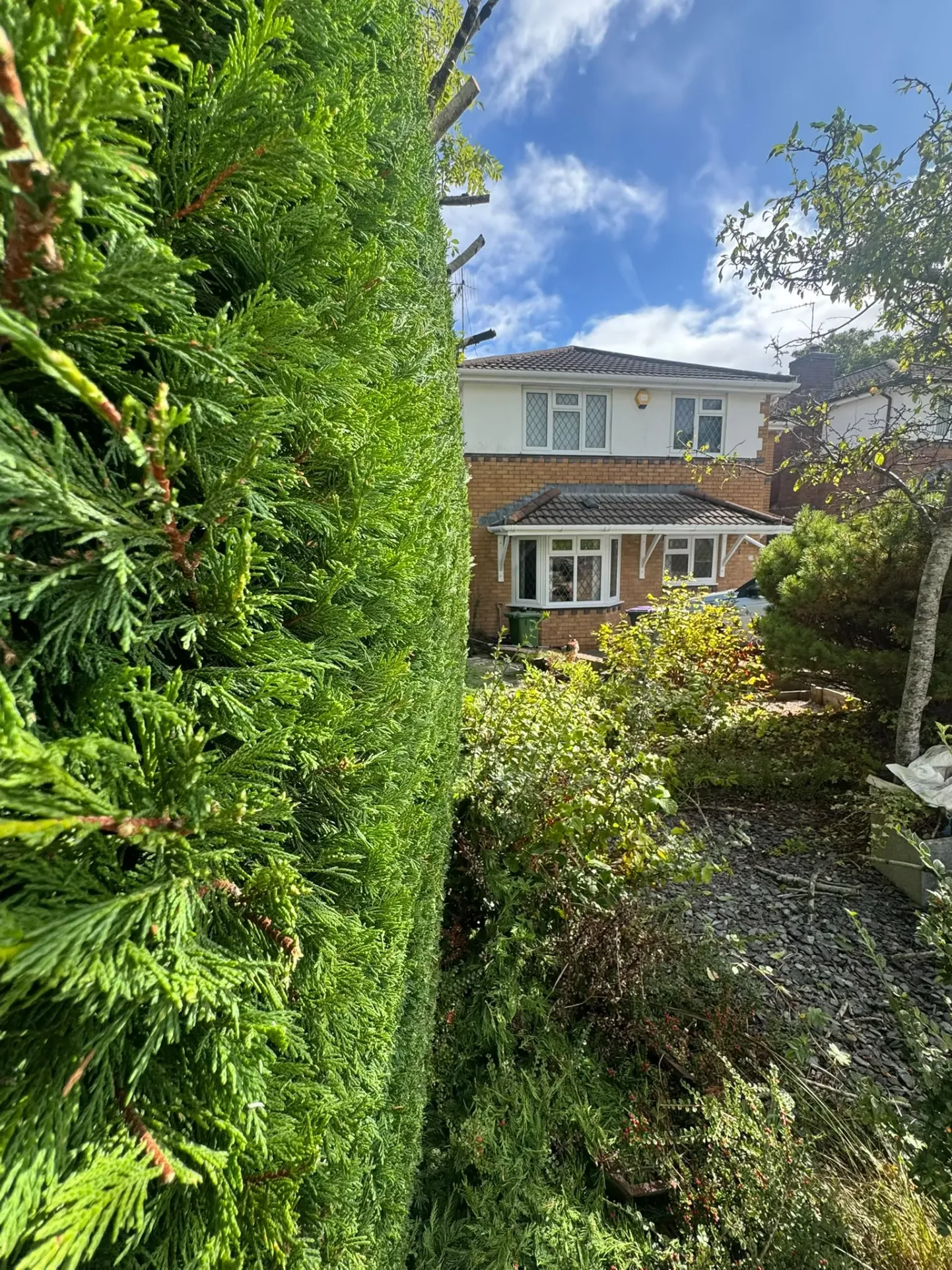
“Had J.D.P Outdoor Solutions in to cut back our hedges and tidy up the garden. They did a brilliant job and made a huge difference to the whole area. Friendly, reliable and very tidy workers. Would definitely use them again.”
-
01
Call or Ask for a Visit
Call 01633 603306, 7am to 7pm, seven days a week, or request a quote online, and we arrange a time to look at the job.
-
02
Checks and a Clear Price
We look at the job on site and give you a clear price before any work starts. For trees, we check for a Tree Preservation Order or conservation area first. If council consent is needed, you know before the job is booked.
-
03
Careful Work on the Day
In tight gardens, trees come down in sections on rigging to protect your property. Heavy hedge cutting is planned around the bird nesting season, in line with the Wildlife and Countryside Act.
-
04
A Clear Site
Stumps can be ground below lawn level. Branches, old fencing and garden waste are taken away under our waste carrier registration to licensed South Wales transfer and recycling depots, never left in a lay-by.
Biggest to Cope, Smallest to Care
Concerned About a Tree in Pontypool, Newport, or Monmouthshire?
Call Jac and the team on 01633 603306 for a free quote on your tree care, stump grinding, or fencing project—or call our emergency line if a storm-damaged tree needs immediate attention.